The Rise of Wearable Art: Where Fashion Meets Personal Expression
I remember the first time I saw someone wear a piece that felt less like clothing and more like a statement. It was at a small gallery opening in Brooklyn, years ago. A woman walked in wearing a jacket that looked like it had been painted by hand, with strokes of deep blue and gold that caught the light differently every time she moved. It was not just a jacket. It was a canvas. That is the moment I understood the difference between fashion and wearable art. One covers you. The other tells a story.
Wearable art sits at the intersection of craft, identity, and everyday life. It is not about following trends or buying into a seasonal look. It is about choosing pieces that reflect who you are, what you value, and how you want to move through the world. For many people, that means stepping away from mass-produced clothing and toward something more personal, more intentional, and often more meaningful.
What Makes Something Wearable Art?
The term "wearable art" can feel a little slippery at first. It gets thrown around a lot, from high-end runway collections to handmade items on Etsy. But at its core, wearable art is about design that prioritizes expression over conformity. It is clothing or accessories that function as a medium for creativity. The garment might feature custom embroidery, a hand-painted motif, or an unusual silhouette that challenges what we expect from everyday dress.
Some of the most striking examples come from designers who blur the line between fashion and sculpture. Alexander McQueen built entire collections around theatrical, almost architectural forms. Iris van Herpen uses 3D printed jewelry and laser-cut textiles to create pieces that seem to float or grow organically from the body. These are not just clothes. They are objects of art that happen to be worn.
But wearable art is not exclusive to luxury houses or avant-garde runways. It also lives in the work of independent artisans who make beaded cuffs, statement necklaces, and hand-painted sneakers. It shows up in upcycled fashion, where someone takes a vintage coat and adds metallic accessories or textile art details that make it one of a kind. It is a broad category, and that is part of its appeal.

Wearable Art in Everyday Life
I have a friend who collects artisan jewelry from small makers she finds at craft fairs and online shops. Every piece she wears has a story. One bracelet came from a woman in Oregon who uses reclaimed silver and ethically sourced stones. Another is a set of earrings made from recycled glass, each one slightly different because of how the light hits the material. She does not buy jewelry to match an outfit. She buys it because it speaks to her.
That kind of personal connection is what makes wearable art so different from fast fashion. It is not disposable. It is durable, both in material and in meaning. When you wear a piece of wearable art, you are carrying someone else's craft, and often their values, with you. That is a powerful thing.
I have also noticed that wearable art tends to invite conversation. A friend once asked me about a scarf I was wearing that had been hand-dyed with natural indigo. The color was uneven in a way that felt intentional, almost like a watercolor. I told her it was made by a fiber artist in Vermont who grows her own plants for dye. That led to a twenty-minute talk about slow fashion, local economies, and the beauty of imperfection. A simple scarf became a bridge between two people.
The Role of Materials and Technique
What separates wearable art from decoration is the thought behind the making. It is not just about adding sparkle or a bold print. It is about using technique to create something that could not exist any other way. For example, a hand-loomed textile takes hours of careful work, and the pattern is woven into the fabric itself, not printed on top. That changes how the piece feels, how it drapes, and how it ages.
Custom embroidery is another technique that elevates clothing into art. A skilled embroiderer can create texture, depth, and movement with thread alone. I have seen jackets where the embroidery mimics the look of brushstrokes, and the effect is stunning. It is also deeply personal, because the person commissioning the work can choose the imagery, the colors, and the placement. It becomes a collaboration between maker and wearer.
Then there is the world of upcycled fashion. Taking something old and turning it into something new requires a different kind of creativity. You have to work with what is already there, the seams, the stains, the history of the garment, and find a way to honor it while transforming it. That process often results in pieces that feel more alive than anything off a rack. They have a past, and they carry that forward into a new life.
Where Wearable Art Shows Up
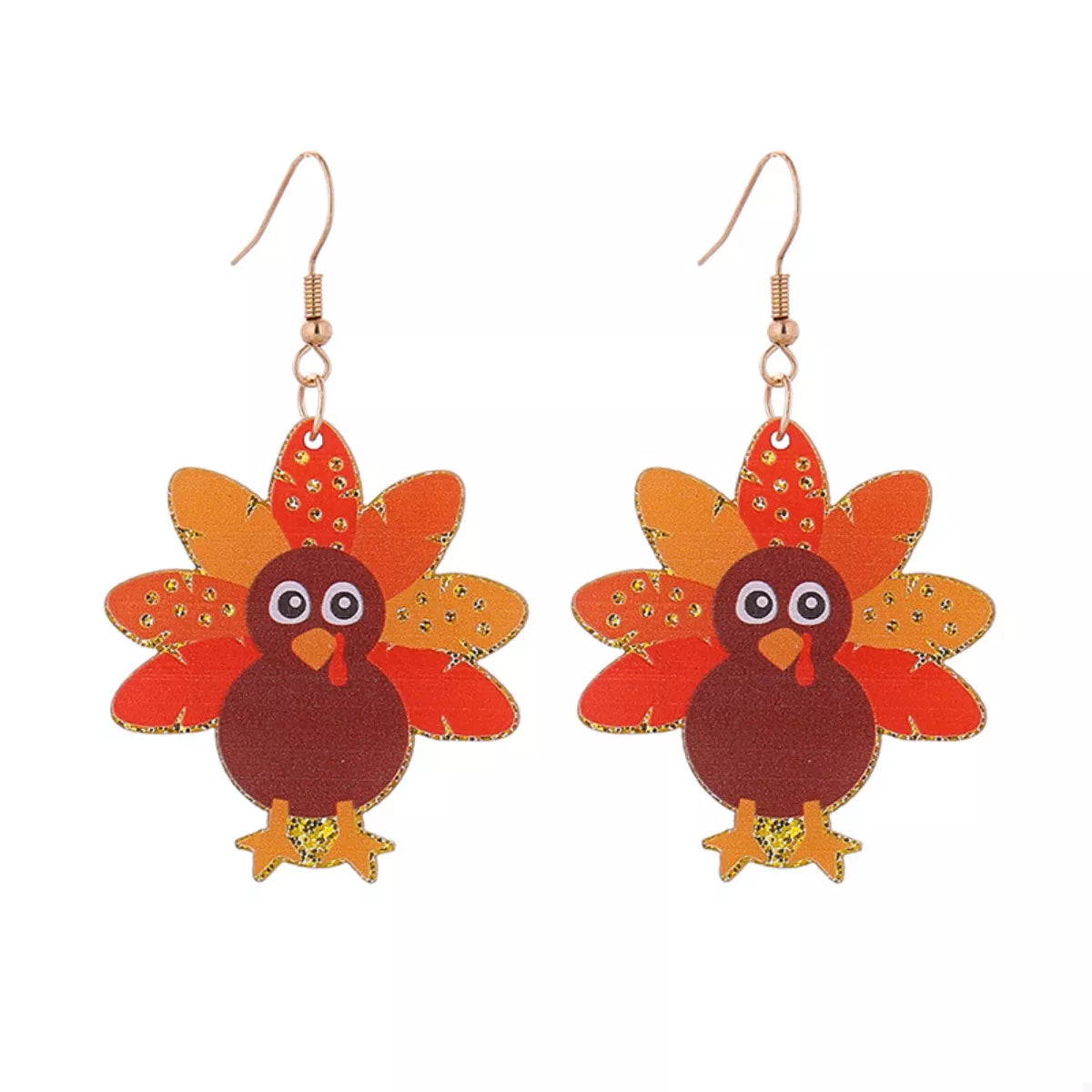
You do not have to go to a museum to find wearable art. It appears in many places, often when you least expect it. Here are a few contexts where it thrives:
- Art fairs and festivals like Art Basel, where designers and artists collaborate on limited-edition clothing and accessories that feel like extensions of the work on the walls.
- Music festivals such as Coachella fashion, where attendees use bold, sculptural pieces to express their personal style in a crowd of thousands.
- Online marketplaces like Etsy, where independent makers sell everything from beaded cuffs to hand-painted sneakers, often with direct input from buyers on color and size.
- Boutique studios that specialize in personalized gifts and bespoke apparel, creating one-of-a-kind items for clients who want something no one else has.
Each of these spaces offers a different entry point into wearable art. Some people discover it through a friend who makes jewelry. Others find it while looking for a unique gift. And some stumble into it by accident, buying a piece at a street fair and realizing later how much it means to them.
Wearable Art and the Slow Fashion Movement
The rise of slow fashion has given wearable art a natural home. Slow fashion is about buying less, choosing well, and making things last. That philosophy aligns perfectly with the values behind artisan-made clothing and accessories. When you buy a piece of wearable art, you are not just buying an object. You are investing in the time, skill, and materials that went into it.
I have seen this shift in my own buying habits. I used to buy cheap jewelry that would tarnish or break within a season. Now I save up for pieces that I know will last. I have a pair of earrings made from hammered brass that I have worn for four years. They have developed a patina that makes them look richer over time. That is the difference between decoration and art.
Wearable art also encourages a different relationship with your wardrobe. Instead of chasing trends, you start to think about what you actually want to wear. You become more selective. You look for pieces that have presence, that make you feel something when you put them on. That is a more sustainable way to dress, both for the planet and for your own sense of self.
The Future of Wearable Art
As more people seek out individuality in what they wear, the market for wearable art will only grow. Designers are experimenting with new technologies like 3D printed jewelry and digital textile printing, which open up possibilities that did not exist even a decade ago. At the same time, traditional crafts like fiber art and textile art are experiencing a revival, driven by people who want to reconnect with handmade objects in a mass-produced world.
I think we will also see more collaboration between fashion and fine art. We are already seeing it with brands like Gucci partnering with contemporary artists, and with designers like Iris van Herpen showing at museums. The line between the gallery and the closet is blurring, and that is a good thing. It means more people have access to art that they can live with, literally.
For anyone curious about exploring wearable art, the best advice I can give is to start small. Look for a piece that catches your eye, whether it is a pair of hand-painted sneakers or a simple beaded cuff. Wear it. See how it makes you feel. That is the only test that matters.